As another school year begins, there’ll be plenty of conversations about academic targets, exam results and what pupils hope to achieve over the next 12 months. Those things matter, of course, but I think we’re increasingly asking the wrong question.
Instead of asking, “What grades do we want our young people to leave school with?” Perhaps we should be asking, “What kind of lives do we want them to be ready for?”. For me, that’s what education in 2026 has to be about.
The world our young people are stepping into looks very different from the one many of us grew up in. Artificial intelligence is changing how we work. Smartphones compete for our attention every minute of the day. Information has never been more accessible, yet making sense of it has arguably never been harder.
That’s why I believe schools need to be just as intentional about teaching mindset, attention, emotional intelligence and resilience as they are about teaching maths, English or science.
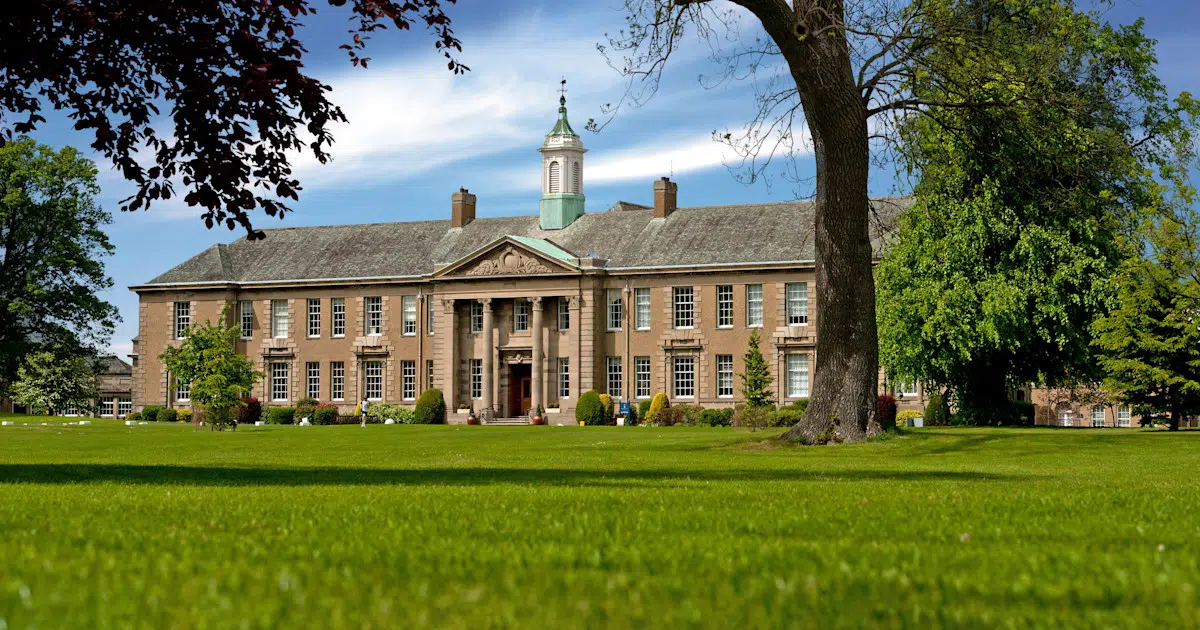
At Merchiston, that philosophy also shapes the choices we give families. We’re one of the few independent schools in Scotland to offer both A Levels and Highers in various combinations across the Sixth Form, allowing pupils to follow the pathway that best suits their strengths and ambitions. These ambitions are increasingly diverse, and it is essential that our pathways offer inspiration as well as facilitating access to aspirational post-school destinations. As a day and boarding school, with flexible boarding options available, we also recognise that no two young people or families need exactly the same educational experience.
Academic qualifications will always matter, and I don’t think they’re disappearing any time soon. They represent knowledge, discipline and, at their best, the ability to think critically, analyse and make connections. But they can only ever tell us part of the story. At a time when every young person carries more information in their pocket than previous generations could ever have imagined, we have to ask an important question: beyond what young people know, what are the distinctly human qualities they will need to thrive?
When I speak to employers, and when I look at the research, the qualities that come up time and again are remarkably consistent. They want young people who can think critically, communicate well, build relationships, adapt to change and work with people who see the world differently. Those aren’t things we should simply hope pupils develop along the way. They need to be taught deliberately.
Every Tuesday morning, I speak to our pupils in assembly. It isn’t about delivering a lecture. It’s about giving them a practical tool they can use that day. We’ve explored ideas such as understanding how our mindset can influence the way we respond to stress, how algorithms shape what we see online, and why our attention has become one of our most valuable resources.
My hope is that every pupil leaves school carrying a rucksack of practical tools and strategies they can draw upon at different moments in their lives – to navigate challenges, embrace opportunities and support those around them.
The reality is, none of us are immune to the challenges young people face. I’m from a generation that didn’t grow up with social media, yet I still have to put my own phone in a box in my office if I want to be as productive as I can be. Simply banning technology isn’t enough, we have to help young people understand it, manage it and build healthy habits that will serve them long after they leave school.
One lesson I’ve borrowed from elite sport has particularly stayed with me. High-performing environments don’t spend all their time teaching people how to switch on, they spend just as much time teaching people how to switch off. Rest, recovery and reflection aren’t distractions from performance; they’re what make sustained performance possible.
I think schools have an important role to play in helping young people develop those habits too. Whether that’s creating time away from screens, encouraging meaningful relationships, spending time outdoors or simply giving pupils the space to reflect, these experiences matter just as much as what happens in the classroom.
As we welcome pupils back for another year, and as many prepare for new schools, new year groups or their final year before university or the workplace, my hope is that we don’t define success solely by grades.
Of course, we want every young person to achieve academically. But even more importantly, I want them to leave school ready for life. Ready to navigate setbacks, build strong relationships, to think critically and to flourish in a world none of us can fully predict.
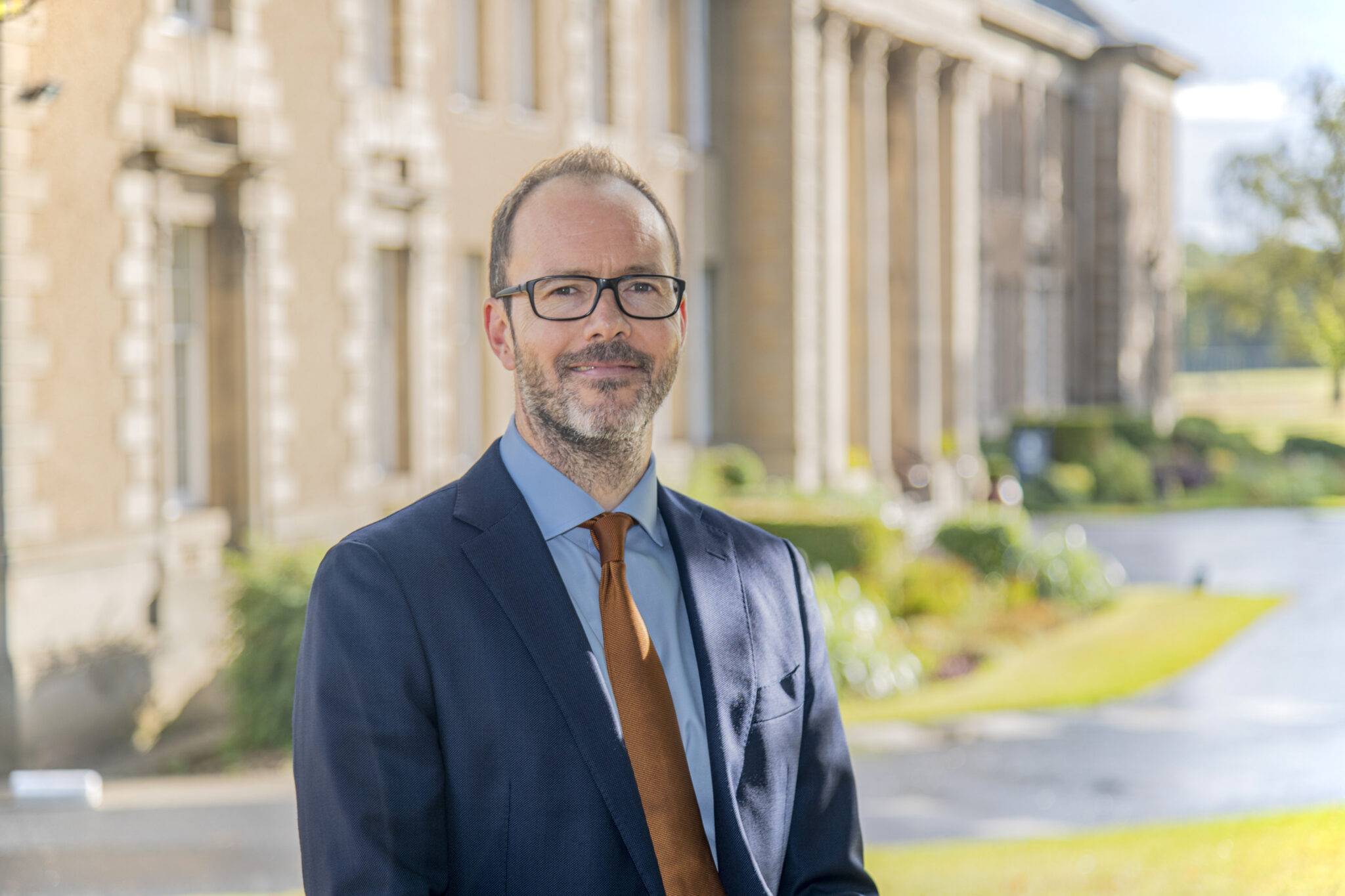
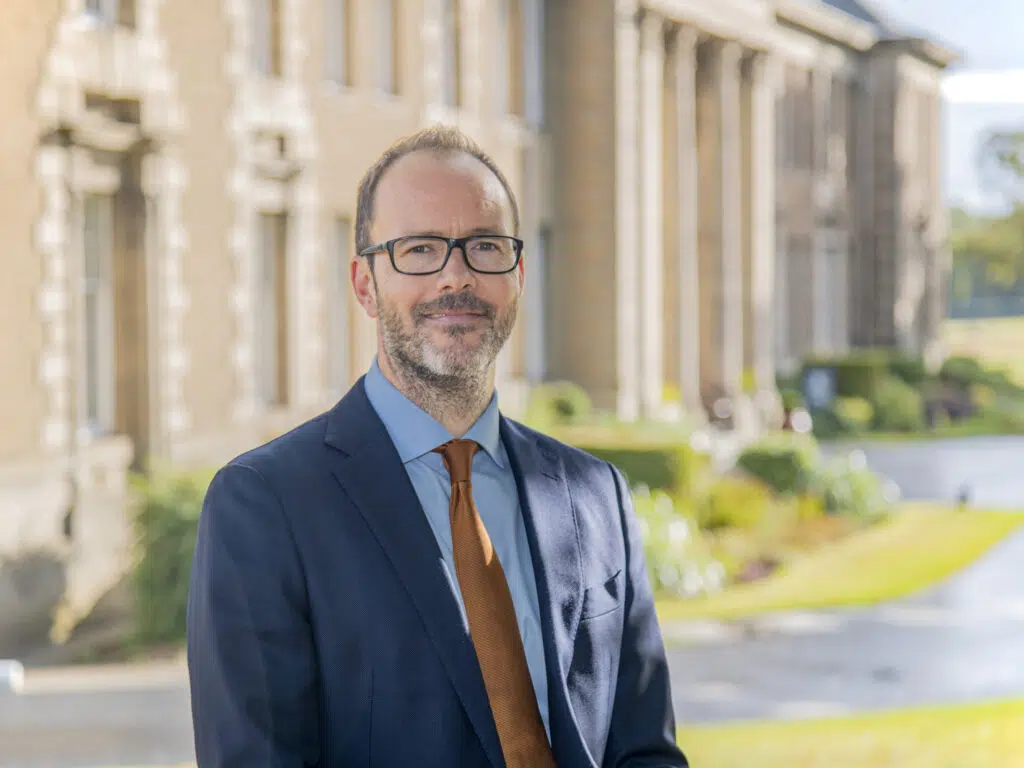
Author: Huw Jones
Headmaster, Merchiston Castle School in Edinburgh, Scotland