Millfield computer scientists successfully created programs that displayed images to astronauts on the International Space Station (ISS).
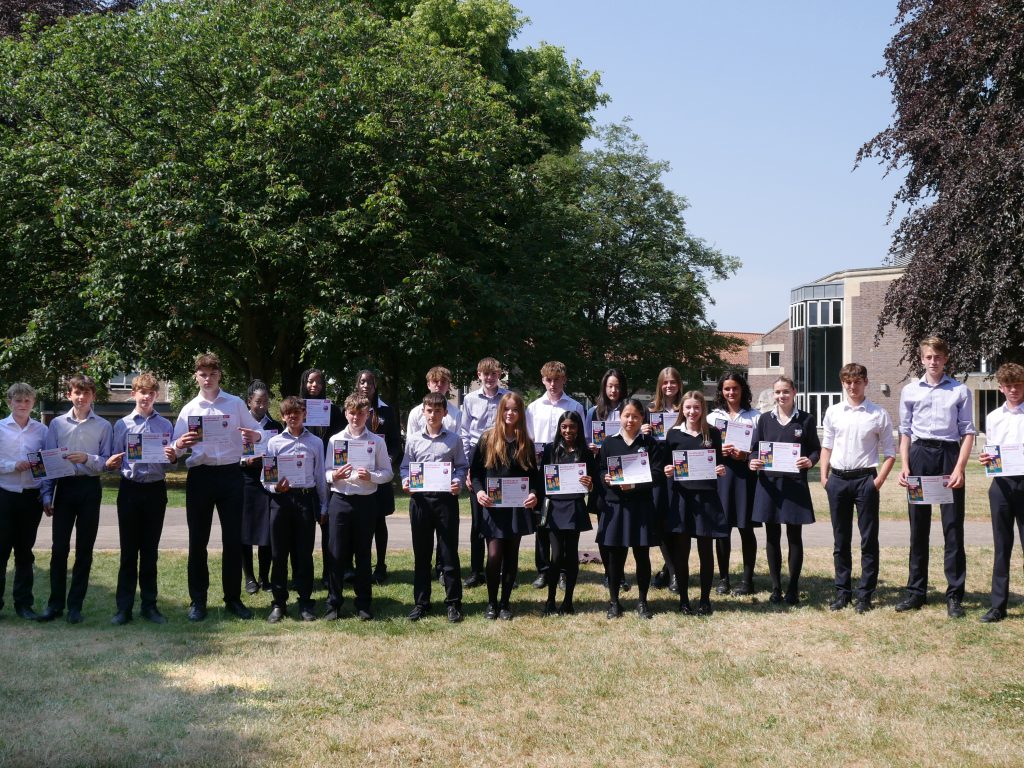
37 students in Years 9 and 10 had their code flawlessly executed in the unique microgravity environment of the International Space Station, making space science history. Provided by Astro Pi, a joint project between the European Space Agency (ESA) and Raspberry Pi Foundation, Mission Zero, allows young participants to take their first steps in space programming. They design a short program making use of sensors aboard the AstroPi computers to display images to remind the astronauts of home. The aim of the program is to ignite curiosity, encourage team work and inspire the next generation of STEM professionals.
Students completed their designs and coded the program in their Computer Science lessons as part of a series of themed lessons for National Science Week. This year the theme of designs was flora and fauna. Students let their imagination run wild with everything from a fish swimming in the ocean to a colour sensing flower that would change depending on the colour top of the nearest astronaut.
Each student whose code was used received a certificate and the coordinates of the ISS’ location at the time it was displayed.
Millfield’s Head of Computing and IT, Kirsty Rogers, said “We are immensely proud of this achievement by our young computer scientists. Their dedication and brilliance have truly exemplified the school values. The collaboration between the ESA and Raspberry Pi Foundation has bestowed an inspiring opportunity, one that has left an indelible mark on their aspirations. Some have even begun planning next year’s entry!”
Categories: Millfield School