

As a firm believer in life-long learning, I was grateful to have the opportunity to study and become a Level 2 Accredited Boarding Practitioner with the Boarding Schools’ Association (BSA). The programme offers a range of courses, and I chose Pastoral Care (one of the most popular) and Supporting International Boarders. As a keen linguist, I am aware of the highs and lows that come with living abroad and it was a fantastic opportunity to connect with boarding practitioners around the world.
In schools, there is a big focus on Culture with a capital C (literature, the arts, music and so on) but fewer people look at culture with a lowercase C (such as how people communicate and live their daily lives). I wanted to change that because it is one of the most effective ways to create an inclusive and supportive environment for international students.
…families are increasingly seeking holistic educational experiences that extend beyond academic achievement.
My research highlighted that families are increasingly seeking holistic educational experiences that extend beyond academic achievement. They value strong pastoral systems, co-curricular opportunities, personal development, and a welcoming community. When pupils arrive, they are given an induction but it is vital for the induction process to be ongoing. Ideally, it should even start before they join the school. This academic year, I have been refining my International Student Welcome and Integration Plan to explain things like British communication using less direct language, for instance. If you are accustomed to the language, you are aware of what is being requested but if you are new to the country it can often lead to miscommunication and frustration (for all parties involved). Aiding communication supports the development of positive relationships with peers and staff which in turn strengthens the feeling of belonging. These meaningful connections support successful integration. Research consistently highlights that when students feel like they belong, they thrive more academically, socially and emotionally.
All students need to feel understood, supported, and connected to the school community. This can be through practical measures like enabling international students to call home during the school day where needed or giving them the opportunity to decorate their personal spaces, or it can be reminding them that they are valued. Combining my lived experience with the knowledge gained through the BSA has strengthened my confidence in a wide variety of boarding scenarios. One of the most valuable lessons has been recognising that there is no “magic, one-size-fits-all” answer.
These supportive relationships and celebrations of diversity help us to create a home from home where boarders gain confidence, grow as individuals and shine academically.
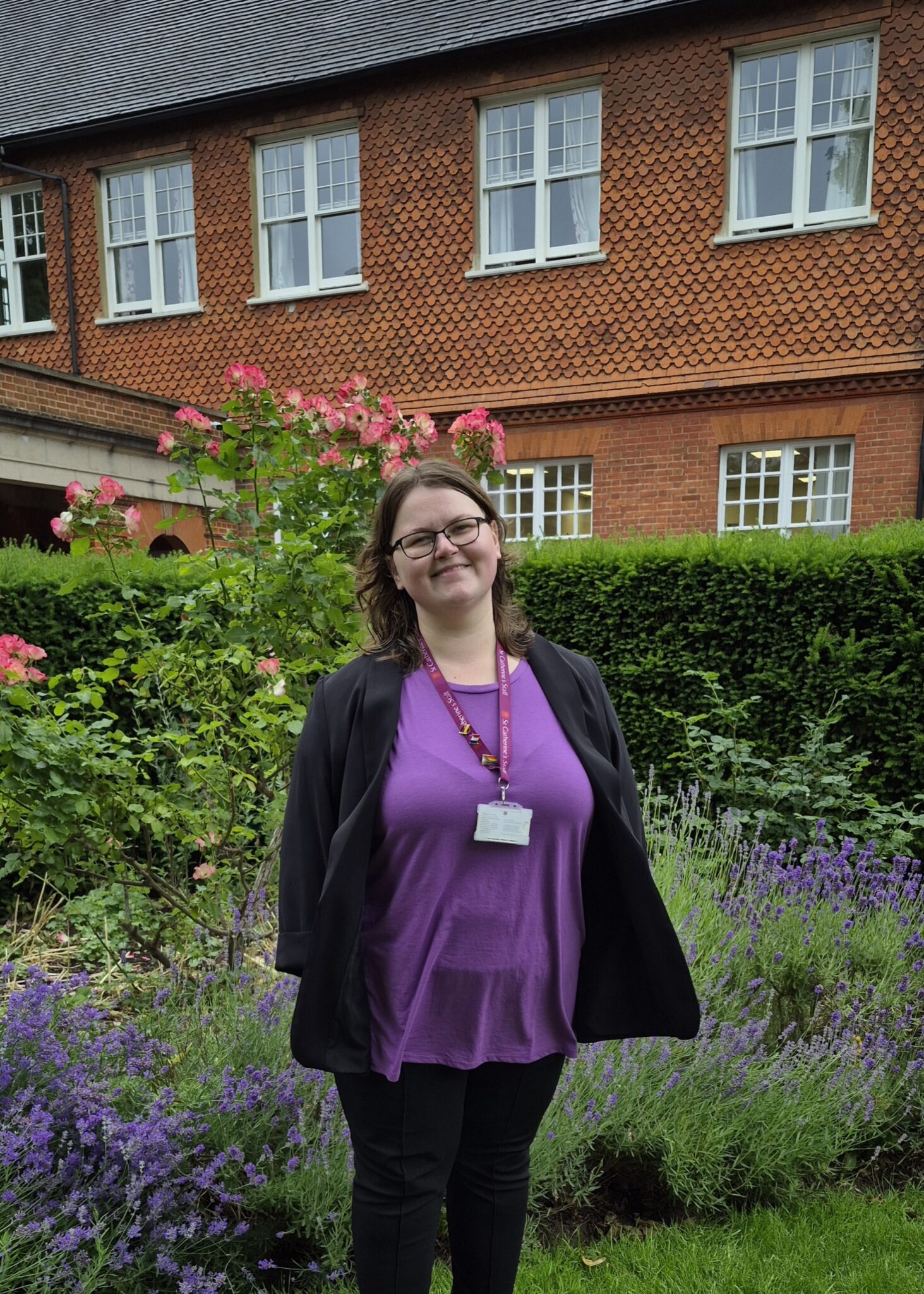 Author: Mrs Robyn Fell, Enrichment and International Programme Lead at St Catherine’s School, Bramley