When people think about pastoral care in schools, they often think about systems: safeguarding procedures, wellbeing programmes or support services. While these are all essential, effective pastoral care begins with something far more fundamental: relationships.
For children and young people, feeling known, understood and accepted by the adults around them provides the foundation from which they can learn, develop resilience and navigate the challenges of growing up. Consistent, trusted relationships are particularly important for pupils with special educational needs, who may have experienced barriers to learning, communication or social interaction throughout their education.
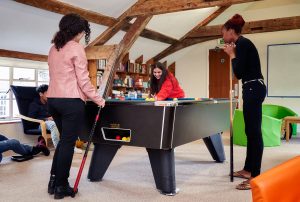
At More House School, this understanding shapes our approach to boarding. While our pastoral ethos extends across the whole school community, boarding offers additional time and space for relationships to develop beyond the classroom. It is during everyday routines, shared experiences and informal conversations that some of the most significant pastoral work takes place.
As a specialist school for boys with Dyslexia, Developmental Language Disorder and other literacy and language-related difficulties, we recognise that many pupils arrive having experienced repeated setbacks that have affected their confidence and self-esteem. For some, school has previously been associated with frustration or a sense of not fitting in. An important aspect of pastoral care is therefore helping pupils experience school as a place where they feel safe, valued and understood.
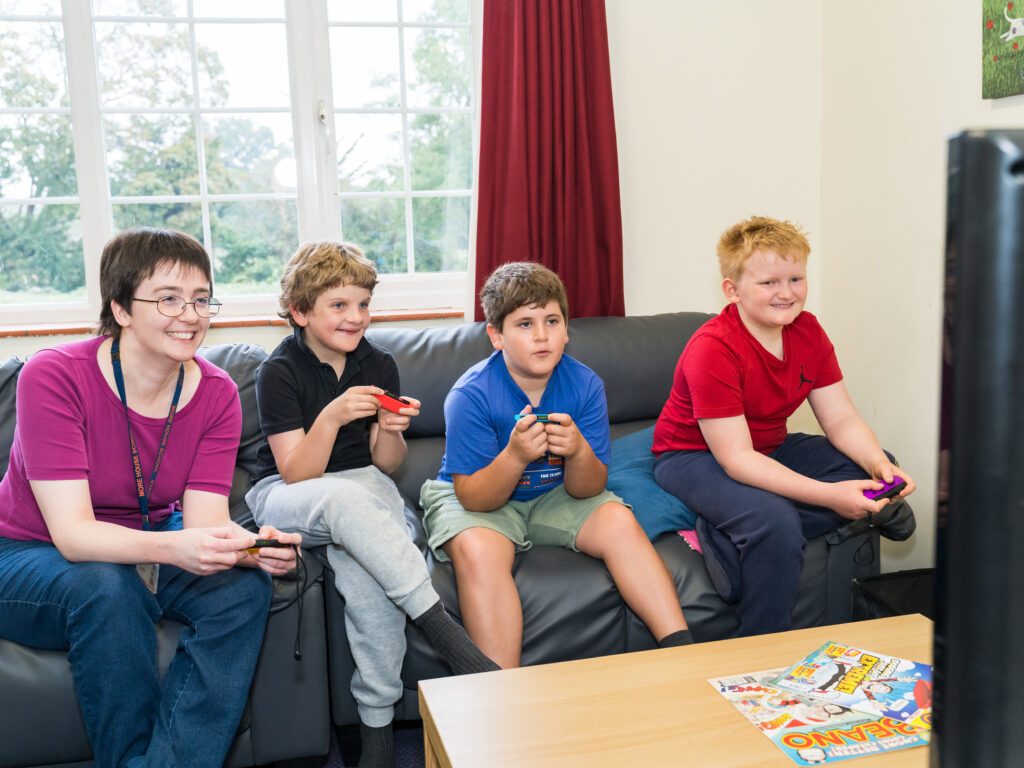
The boarding environment allows this work to continue throughout the day. Houseparents and boarding staff support pupils through the ordinary moments of residential life, encouraging increasing independence while providing the consistency and reassurance that many young people need. Working closely with families, teachers and therapists, they reinforce the personal, social and independence goals identified through each pupil’s EHCP, creating regular opportunities to practise skills in authentic situations rather than isolated interventions.
This might include developing self-advocacy, strengthening communication, managing daily routines, resolving disagreements with peers or building confidence in unfamiliar situations. Progress is rarely achieved through one significant event; it is more often the result of many small, consistent interactions with adults who know each young person well.
Living alongside peers enables pupils to experience both the rewards and complexities of community life.
An important principle of pastoral care is that it should not remove challenge from a young person’s life, but instead provide the support they need to work through it successfully. Living alongside peers enables pupils to experience both the rewards and complexities of community life. They learn to negotiate friendships, manage conflict, take responsibility for their actions and appreciate the perspectives of others. These experiences contribute to emotional maturity and prepare young people for greater independence beyond school.
Boarding also creates a strong sense of belonging. Sharing routines, celebrating achievements and supporting one another through everyday successes and setbacks helps pupils develop positive relationships with their peers and a growing sense of responsibility towards the wider community.
The impact of this approach is often seen gradually. A younger pupil may become increasingly confident in managing their own routines. An older pupil may develop the confidence to seek help when needed or support a younger boarder. Sixth Form students begin preparing for adulthood by taking greater ownership of their decisions and developing the practical and interpersonal skills they will need beyond school.
Importantly, this approach is not confined to the boarding houses. Effective pastoral care depends on collaboration. Teachers, therapists, tutors and boarding staff work together so that pupils experience consistency in expectations, relationships and support throughout the school day.
Ultimately, pastoral care is not defined by policies alone. It is reflected in whether a young person feels safe enough to take risks, supported enough to overcome setbacks and valued enough to believe in their own potential. Boarding provides a setting in which these relationships can develop naturally, allowing pastoral care to become part of everyday life rather than something delivered only when difficulties arise.
Author: Ms Alex Rositano, Deputy Head (Head of Residential)
More House School
Categories: Blogs More House